Trezor.io/start – The Complete Guide to Setting Up and Using Your Trezor Wallet
In today’s digital world, safeguarding your cryptocurrency is just as important as owning it. Trezor hardware wallets offer a highly secure solution by keeping private keys offline while providing an intuitive interface for managing your assets. The Trezor.io/start portal serves as the official entry point for new users to set up, configure, and manage their Trezor wallets securely.
This guide will walk you through everything from unboxing your device to advanced wallet features, ensuring a secure and efficient experience.
What Is Trezor.io/start?
Trezor.io/start is the official starting portal for anyone who owns a Trezor device. It provides:
Step-by-step instructions for initializing your hardware wallet
Guidance for installing or updating firmware
Help with setting up PIN codes and optional passphrases
Secure connections to Trezor Suite and supported third-party wallets
Starting with Trezor.io/start ensures that you are working with authentic software, minimizing the risk of phishing or malware attacks.
Why Use Trezor.io/start?
Using Trezor.io/start is essential because it:
Guarantees access to authentic Trezor software
Offers step-by-step guidance for beginners and experienced users
Helps you secure your wallet properly with PINs, passphrases, and recovery seeds
Ensures safe management of cryptocurrency accounts through Trezor Suite or web wallets
Following Trezor.io/start from the beginning sets a foundation for maximum security.
Supported Trezor Devices
Trezor.io/start supports all Trezor hardware models:
Trezor One: A reliable entry-level device that supports thousands of cryptocurrencies.
Trezor Model T: Advanced touchscreen model with more coin support, hidden wallets, and faster setup.
The portal adapts its instructions to your device, making setup simple and secure.
Step 1: Verify Your Device
Before proceeding:
Inspect the packaging for signs of tampering or damage
Verify the authenticity holographic seal
Purchase devices only from official stores or authorized resellers
Verification ensures your device is genuine and safe to use.
Step 2: Visit Trezor.io/start
Open a secure browser and go to https://trezor.io/start
Select your Trezor model
Download Trezor Suite, the official wallet management software
Using Trezor.io/start guarantees that you only download secure and authentic software.
Step 3: Install Trezor Suite
Run the Trezor Suite installer and follow the instructions
Connect your Trezor device via USB
Open Trezor Suite to start the setup
Trezor Suite is the central hub for managing your accounts, balances, and transactions securely.
Step 4: Update Firmware
Firmware updates are crucial for wallet security:
Trezor Suite will detect available updates
Follow the instructions to safely update the firmware
Confirm updates directly on the device
Keeping your firmware current ensures maximum protection against vulnerabilities.
Step 5: Create a New Wallet
To initialize a wallet:
Select “Create New Wallet” in Trezor Suite
Write down the 24-word recovery seed displayed on your device
Store the seed securely offline in a fireproof and waterproof location
The recovery seed is the only way to restore your wallet if the device is lost or damaged.
Step 6: Set a PIN
Adding a PIN provides an essential security layer:
Choose a unique PIN on your device
Confirm the PIN
Use the randomized keypad to prevent keylogging
A strong PIN protects your wallet from unauthorized access.
Step 7: Optional Passphrase
For advanced users:
Add a passphrase to create a hidden wallet
The passphrase is combined with your recovery seed
Without it, the hidden wallet is inaccessible
Passphrases are ideal for users who want extra security or privacy.
Step 8: Connect to Trezor Suite or Web Wallets
Open Trezor Suite or a compatible web wallet
Connect your device via USB
Enter your PIN and passphrase (if used)
All transactions and sensitive actions must be confirmed on-device, keeping your private keys offline.
Step 9: Sending Cryptocurrency
To send funds safely:
Select the account to send from
Enter the recipient’s address and amount
Verify transaction details
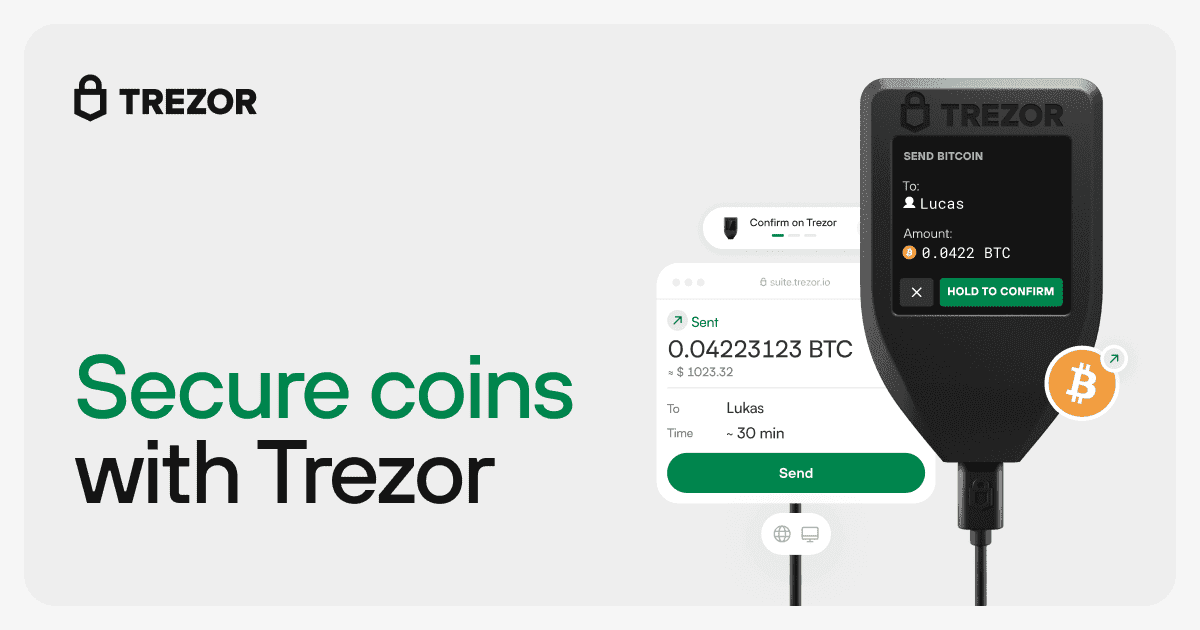
Confirm the transaction on your Trezor device
On-device verification prevents malware from altering transaction details.
Step 10: Receiving Cryptocurrency
To receive funds:
Generate a receiving address in Trezor Suite
Verify the address on your Trezor device
Share the verified address with the sender
Always confirm addresses directly on the device to prevent fraud.
Step 11: Manage Multiple Accounts
Trezor supports multiple accounts per cryptocurrency:
Add accounts for Bitcoin, Ethereum, Litecoin, and other supported coins
Rename accounts for better organization
Track balances and transactions in Trezor Suite
This allows easy portfolio management for all your crypto holdings.
Step 12: Security Features
Trezor.io/start focuses on security with:
Offline key storage protecting against hacking
PIN protection to prevent unauthorized access
Passphrase-protected hidden wallets
Recovery seed backup for wallet restoration
These features make Trezor one of the most secure cryptocurrency wallets.
Step 13: Backup and Recovery
Backups are critical:
Store the 24-word recovery seed offline
Use fireproof and waterproof storage
Never share your recovery seed digitally
The recovery seed is the only way to recover your wallet if lost.
Step 14: Troubleshooting Common Issues
Device not recognized: Try a different USB port or cable
Incorrect PIN: Too many failed attempts may temporarily lock the device
Software errors: Ensure Trezor Suite is updated
Following official instructions ensures smooth operation.
Step 15: Advanced Features
After setup, Trezor users can:
Create hidden wallets for extra security
Swap cryptocurrencies using Trezor Suite
Stake supported coins to earn rewards
Use third-party integrations for DeFi platforms
Advanced features increase usability without compromising security.
Step 16: Trezor vs Exchange Wallets
Trezor provides self-custody advantages:
Private keys never leave the device
Funds cannot be frozen by exchanges
Users have full control over their assets
Wallet activity is private
Trezor.io/start ensures secure self-custody for all users.
Step 17: Ideal Users
Trezor.io/start is perfect for:
Beginners setting up their first hardware wallet
Experienced users managing multiple crypto accounts
Long-term investors storing significant holdings
Users seeking offline security for digital assets
The platform supports both novices and advanced users.
Step 18: Best Practices
Download Trezor Suite only from official sources
Confirm addresses on-device before sending or receiving crypto
Use strong PINs and optional passphrases
Keep recovery seeds secure offline
Avoid public computers for setup or login
Following these practices ensures maximum security.
Step 19: Conclusion
Trezor.io/start is the official starting point for secure cryptocurrency management. By following these steps:
Safely set up your wallet
Protect it with PINs and passphrases
Manage accounts and track balances securely
Perform transactions safely
Utilize advanced features such as hidden wallets and staking